FENDI CRUISE: MARIA GRAZIA CHIURI'S MANIFESTO AND THE REBIRTH OF SUZIE
The Walk
All images courtesy of FENDI

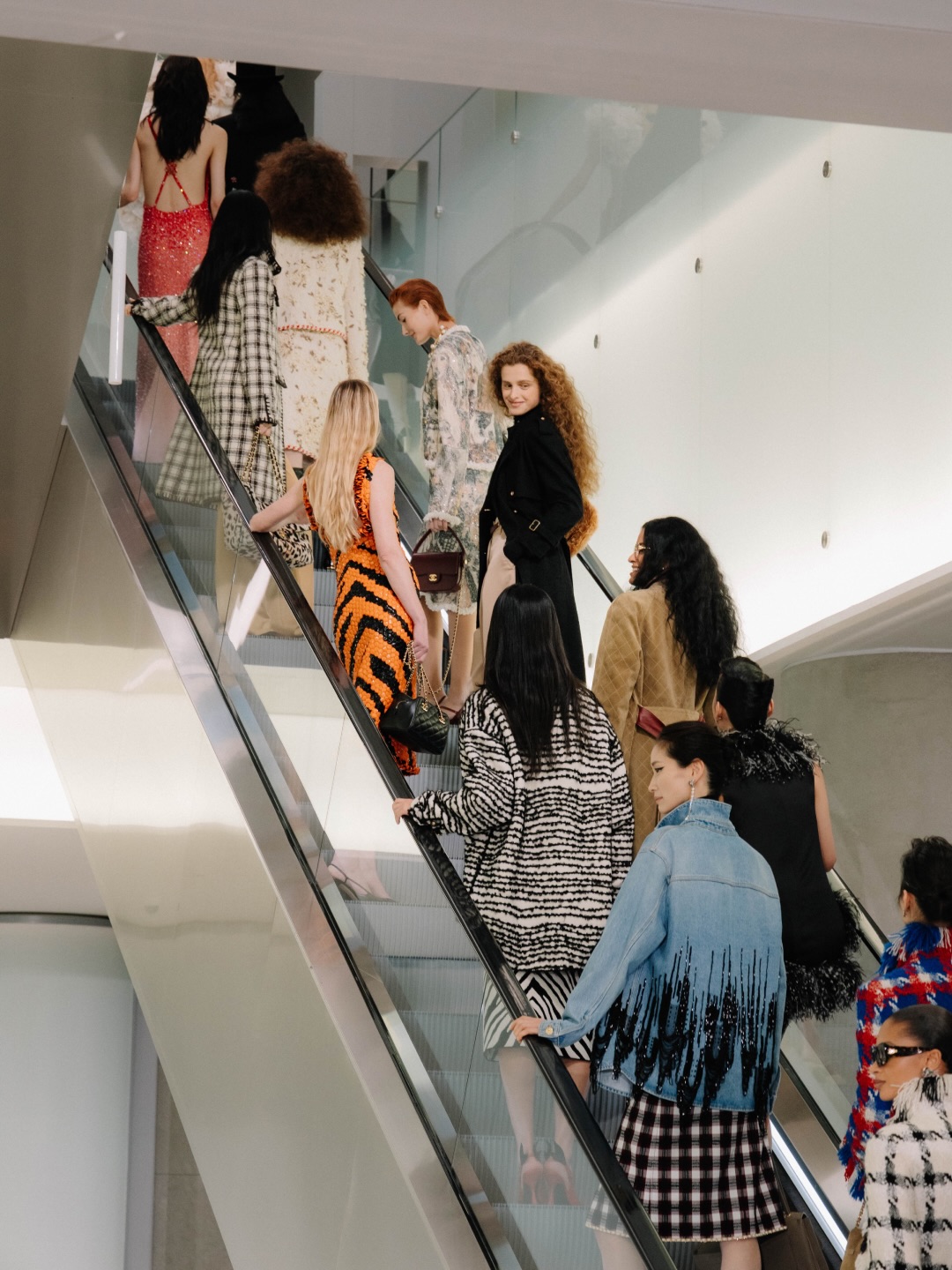
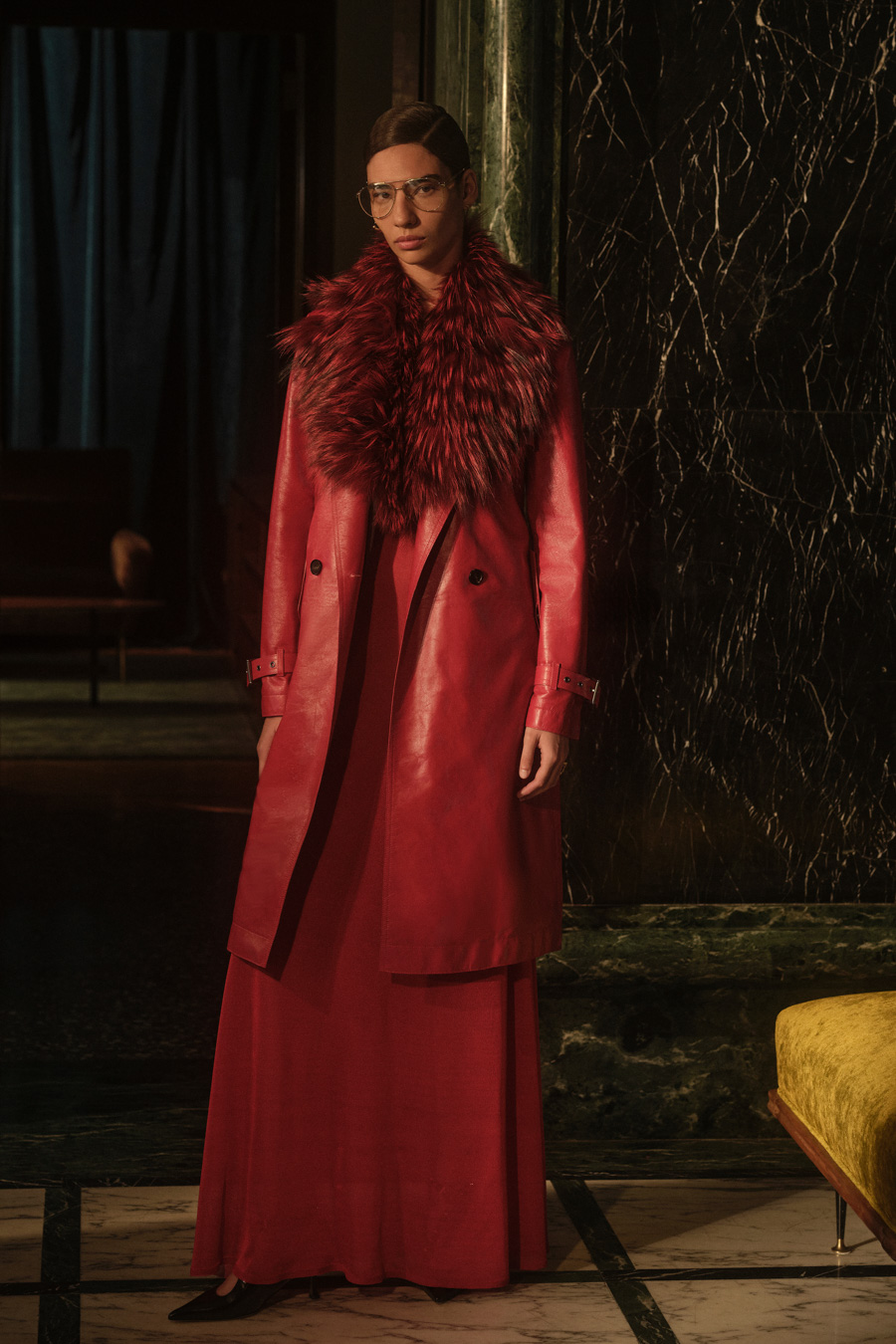
For Maria Grazia Chiuri, the first cruise collection for FENDI transcends the mere succession of garments on a runway. It stands as the tale of a project in motion, the manifesto of a working methodology, and a resounding declaration of intent. Reaffirming her undeniable roots as an Italian designer, Chiuri focuses on processes, the excellence of materials, and formal experimentation, restoring fashion to its fundamental role: being an instrument of self-awareness and the art of the possible.
The Bourgeoisie as a Modern Intersection
In this collection, Chiuri rescues and redefines a word often burdened with prejudice: the bourgeoisie. Far from limiting it, she uses it to evoke a broad and inclusive category; an authentic crossroads where bodies, generations, behaviors, and desires converge.
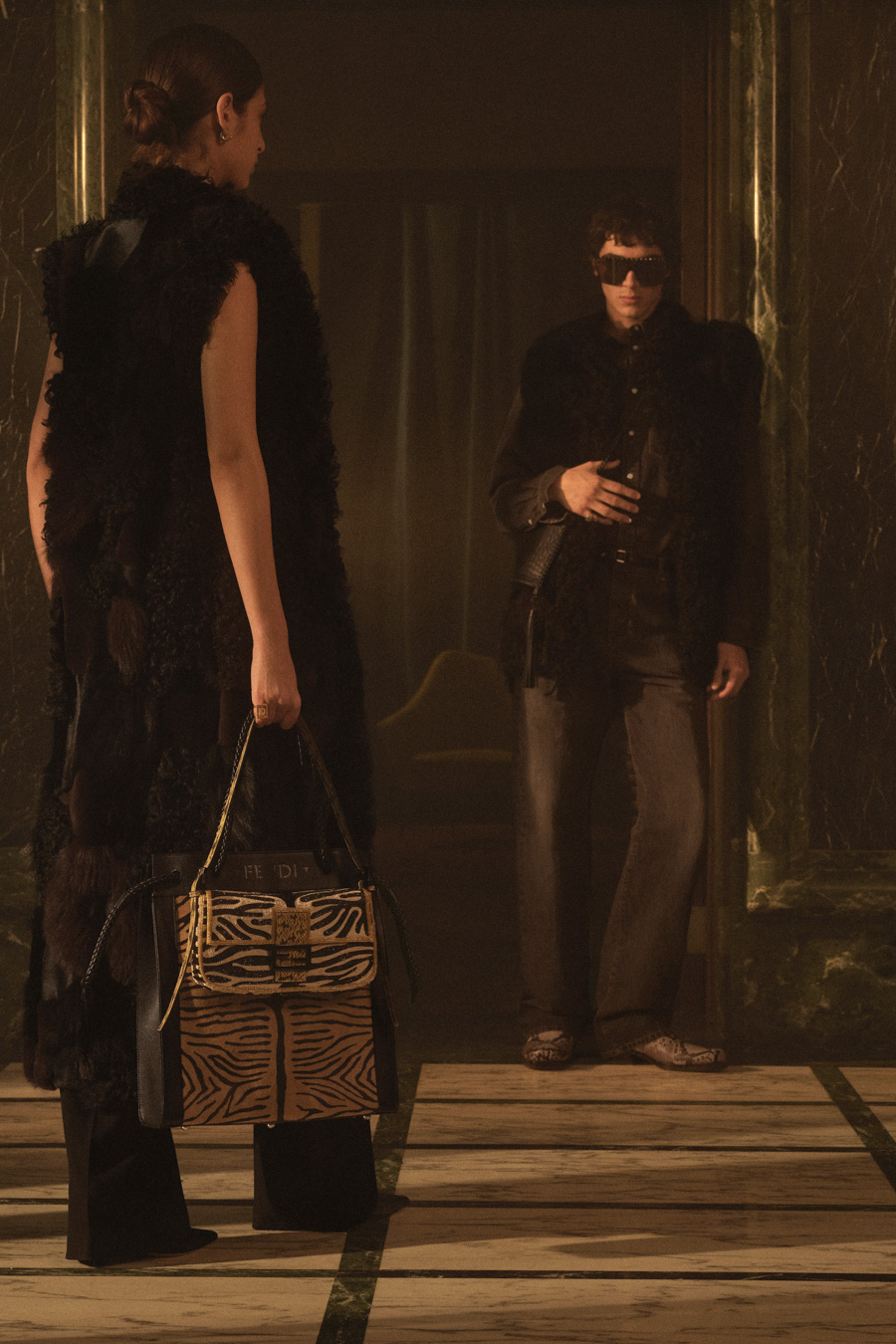
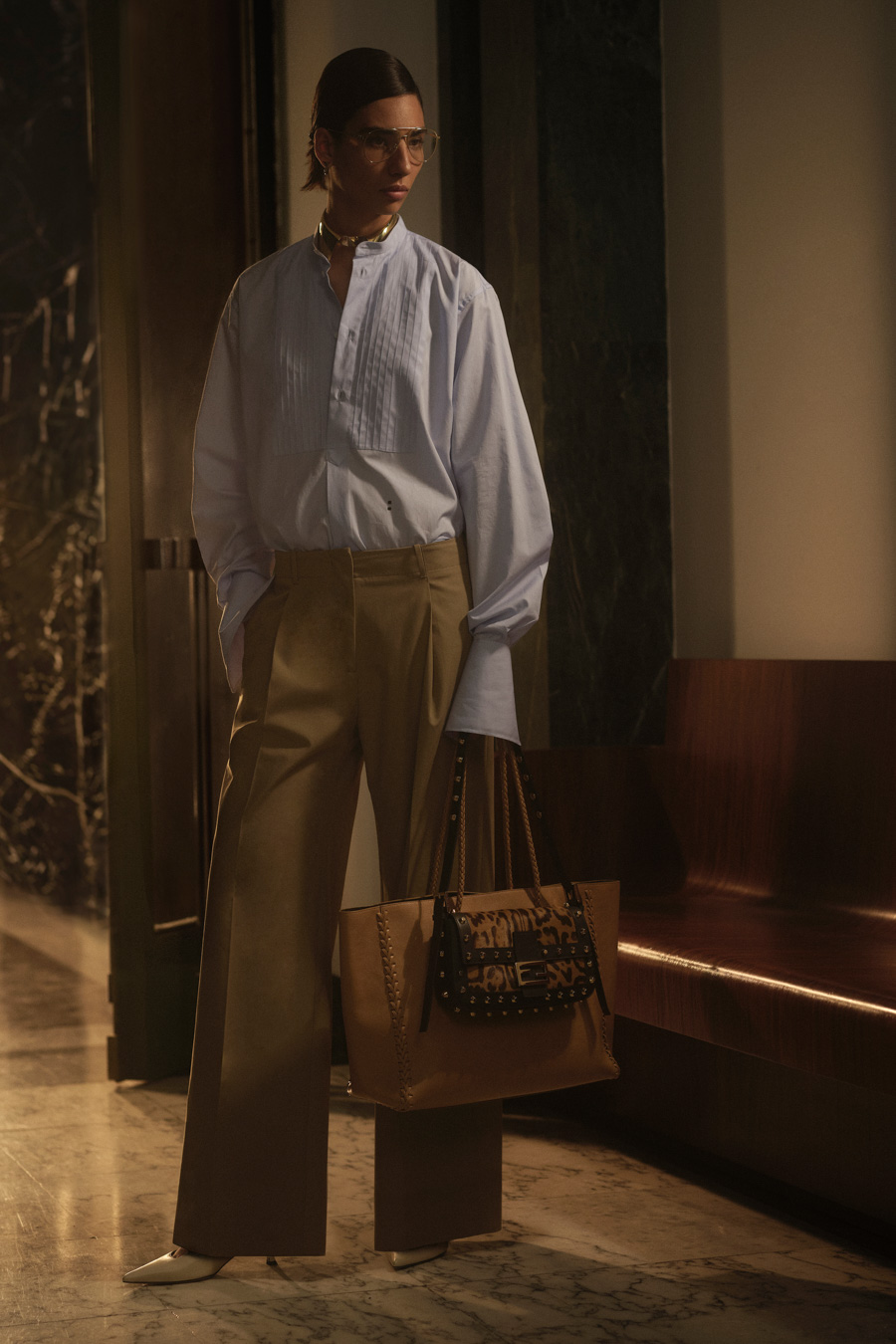
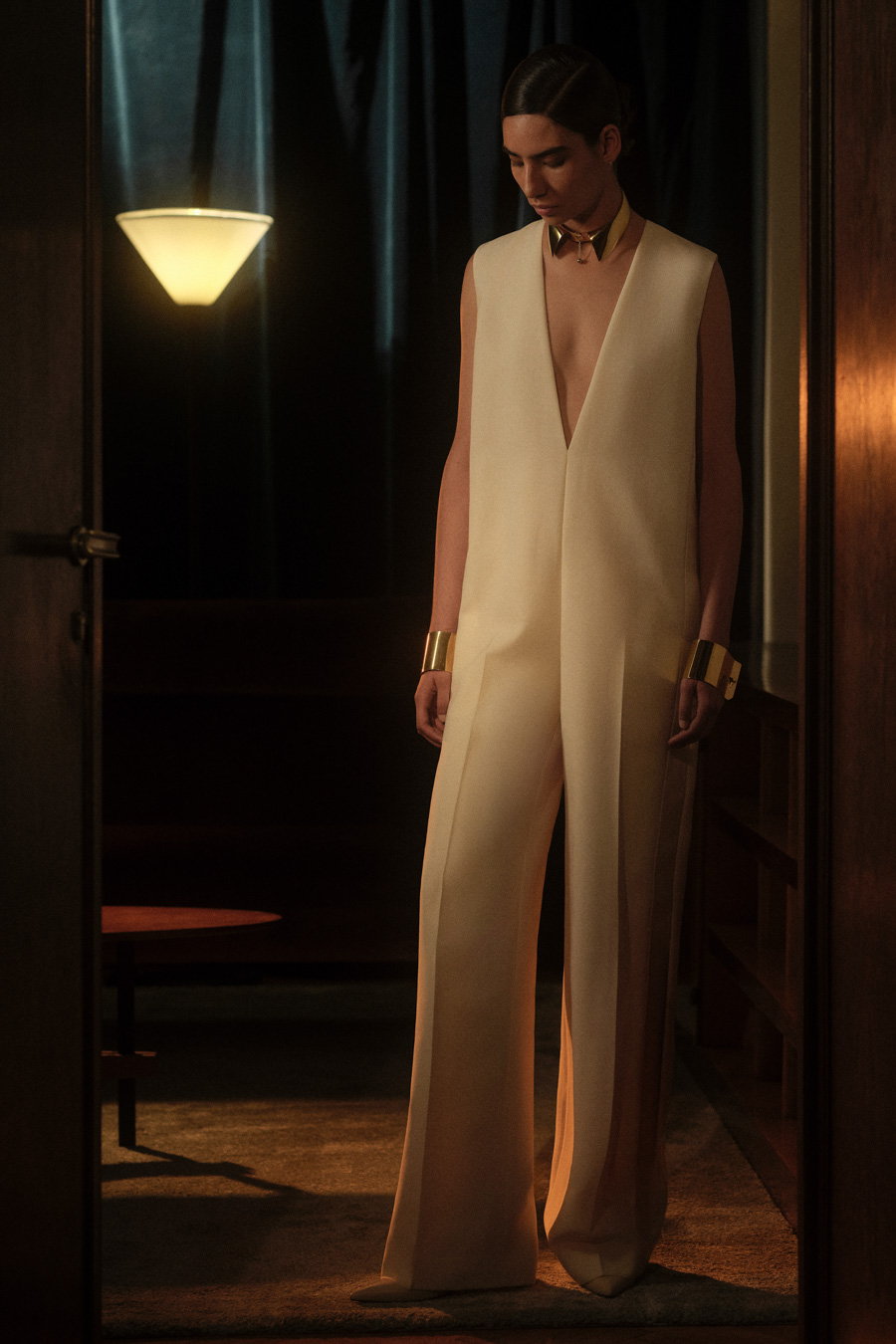
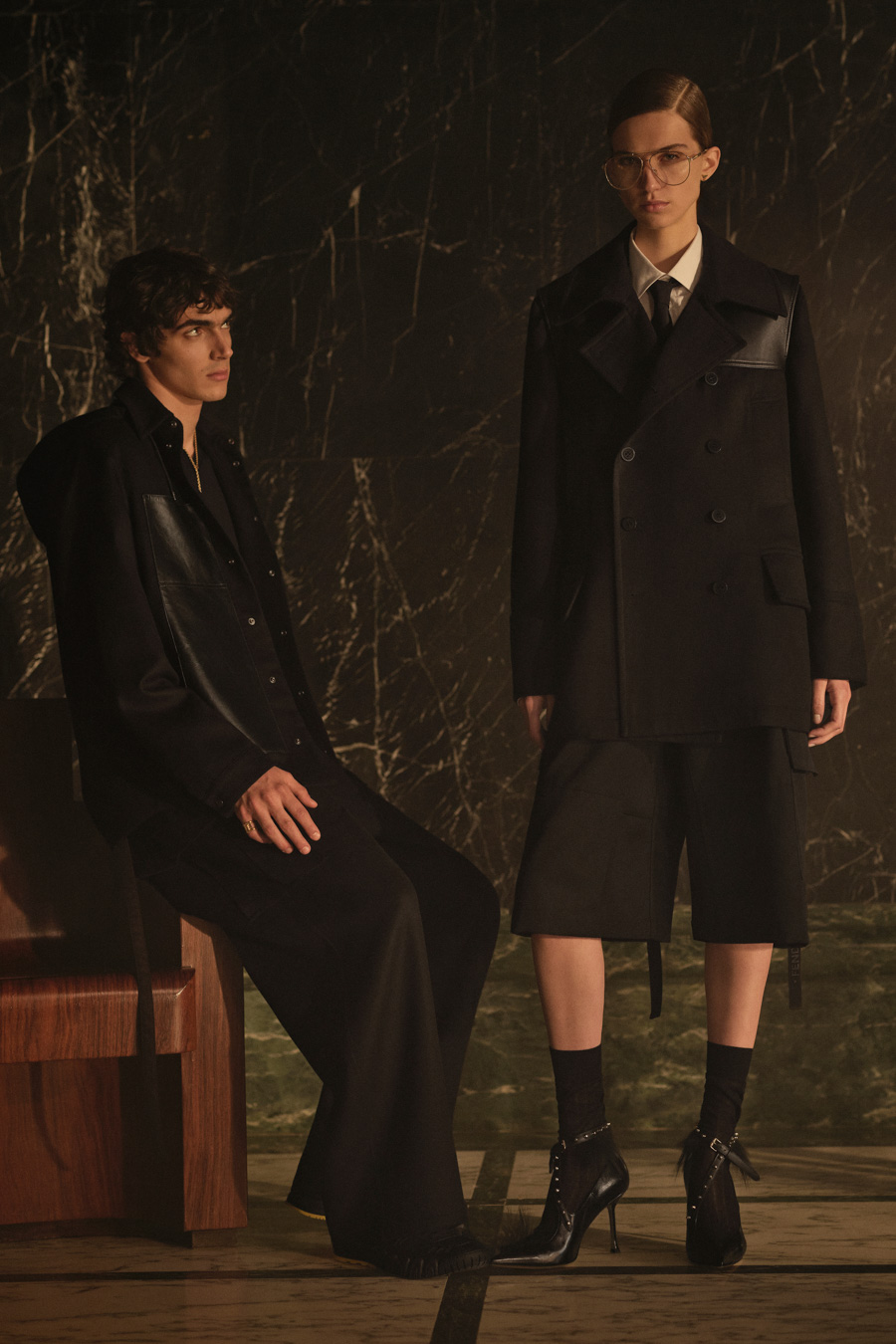
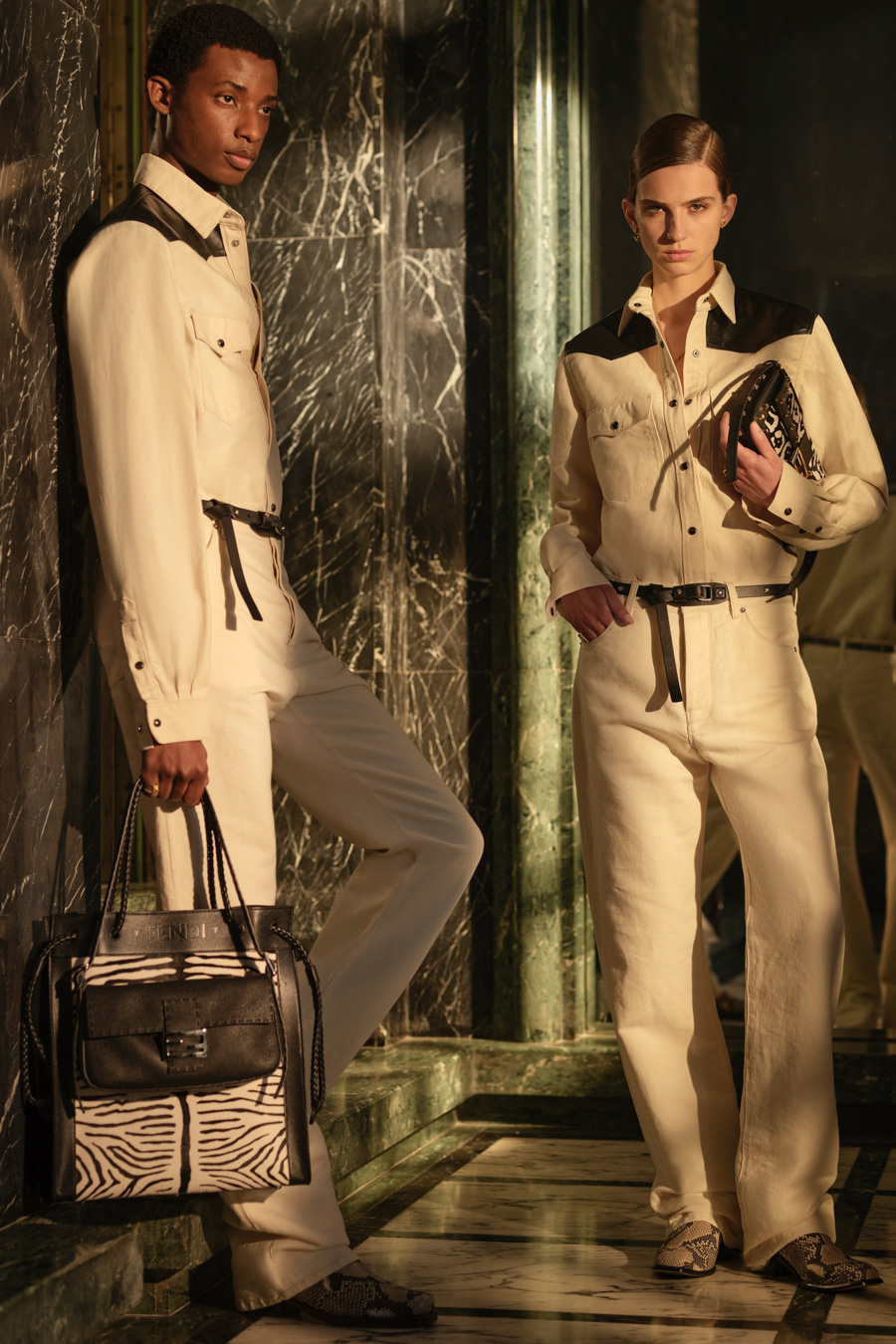
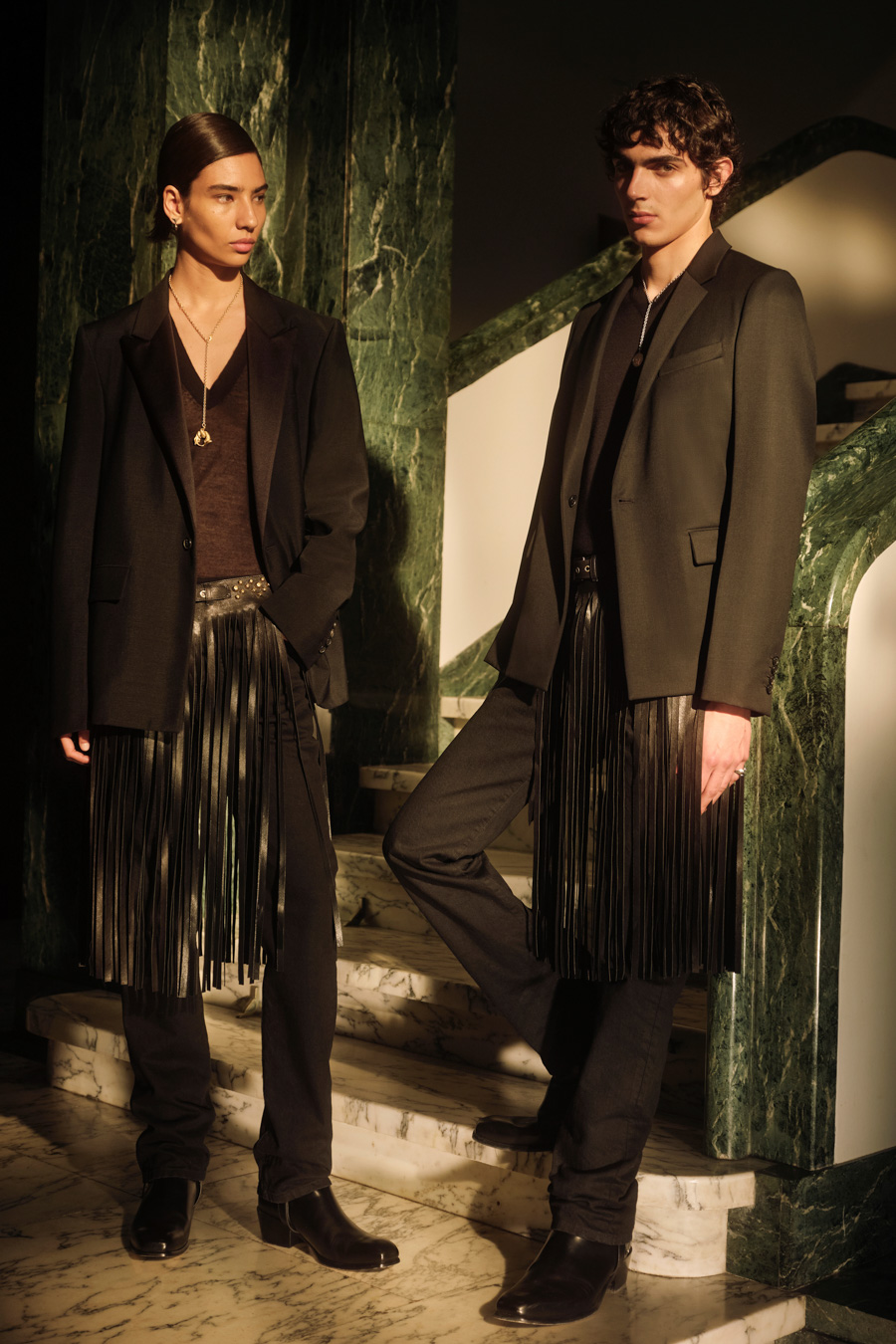
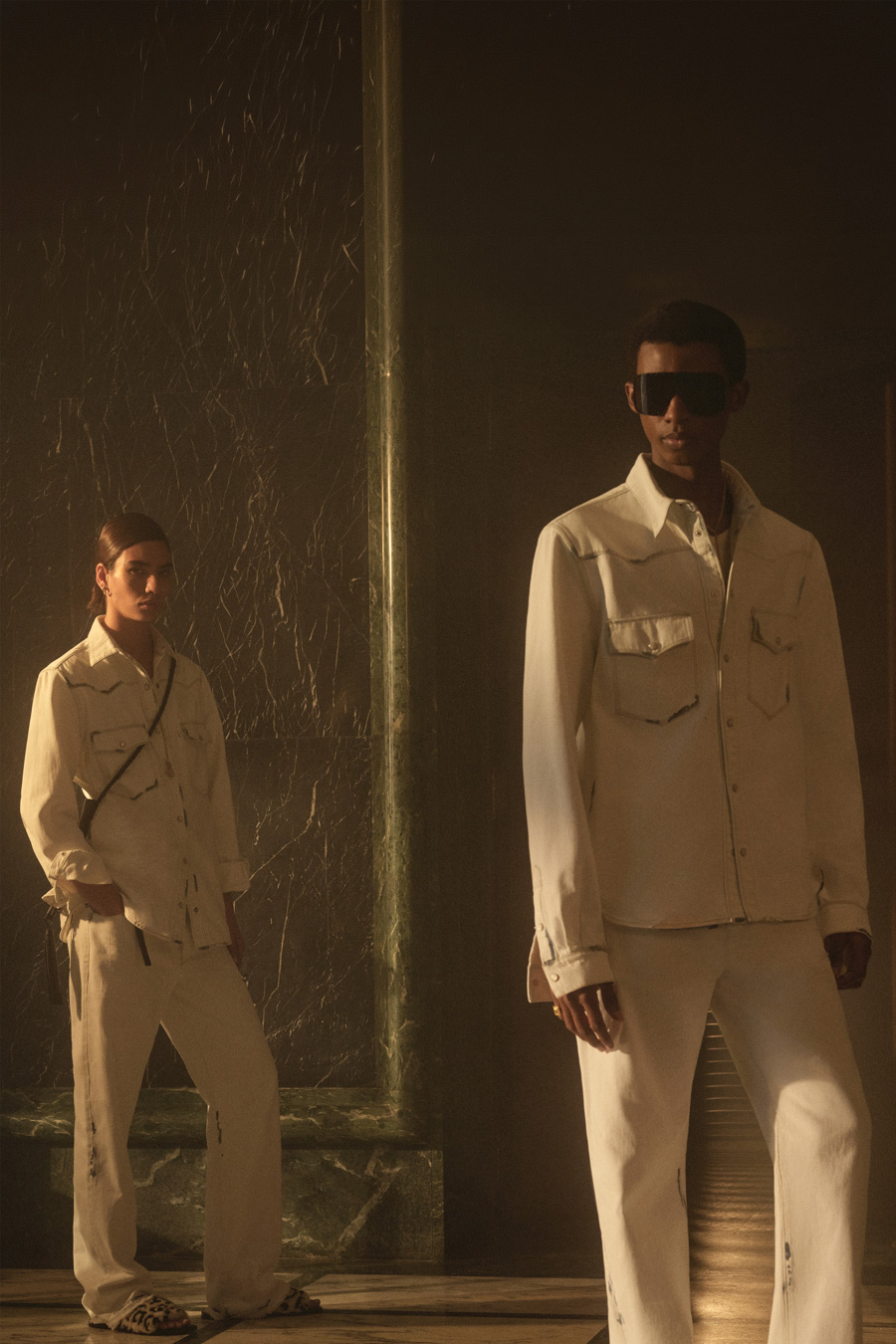
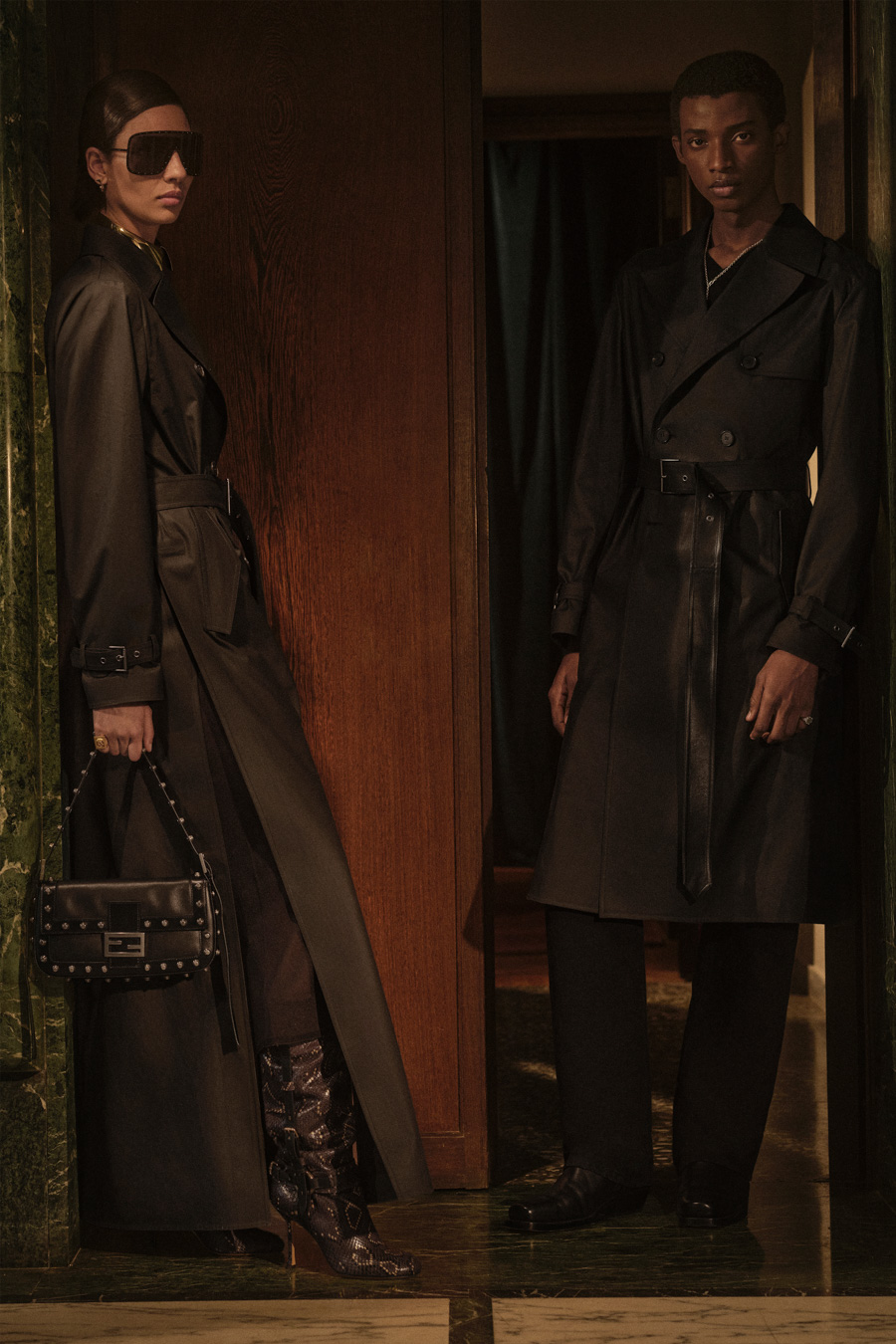
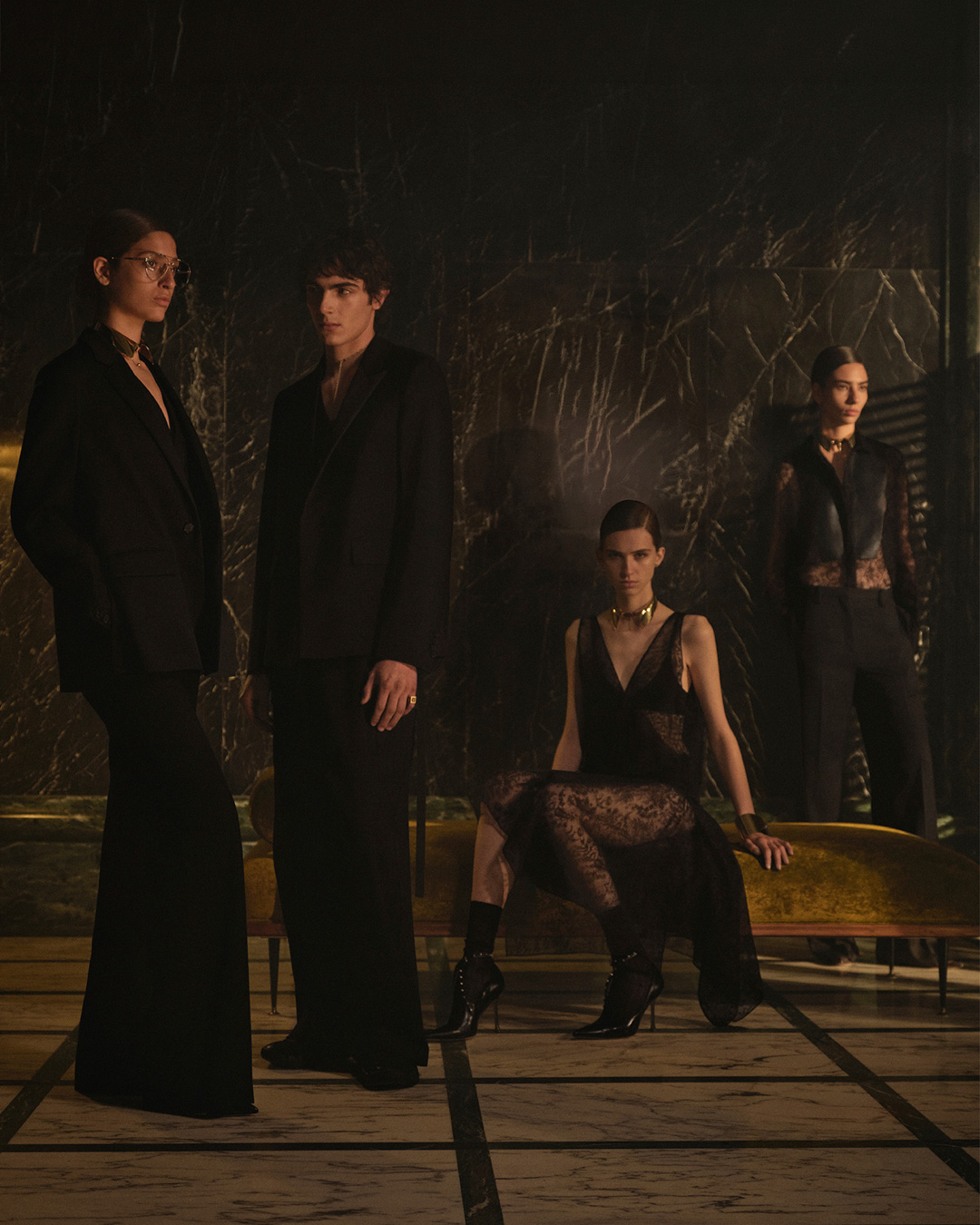
The contemporary wardrobe proposed by FENDI is based on an empathetic dialogue between body and fabric, an intimate relationship transformed by the passage of time and the often restless perception we have of ourselves. Men and women walk side by side, sharing interchangeable pieces that serve as a compendium of endless sartorial possibilities.
"Meno io, più noi" (Less me, more us) — The utopian and humanist motto chosen by Chiuri for this collection, symbolized through the Tree of Life that adorns the proposal.
Textile Alchemy and Syntactic Rupture
Chiuri forces the traditional syntax of fashion to generate new attitudes, molded by the sensibility of our time. The clarity of classic lines finds a new and powerful voice through material contrasts.
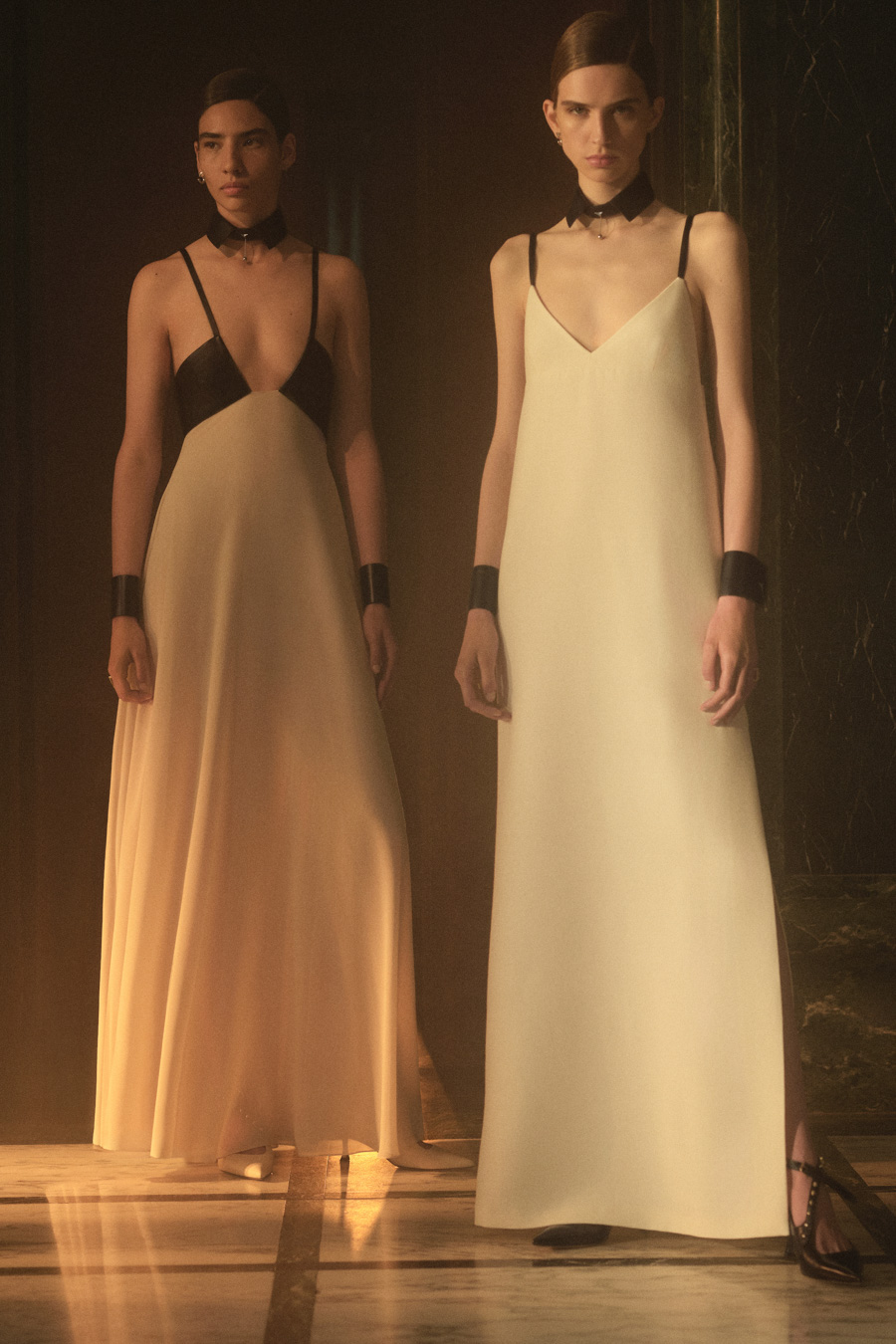
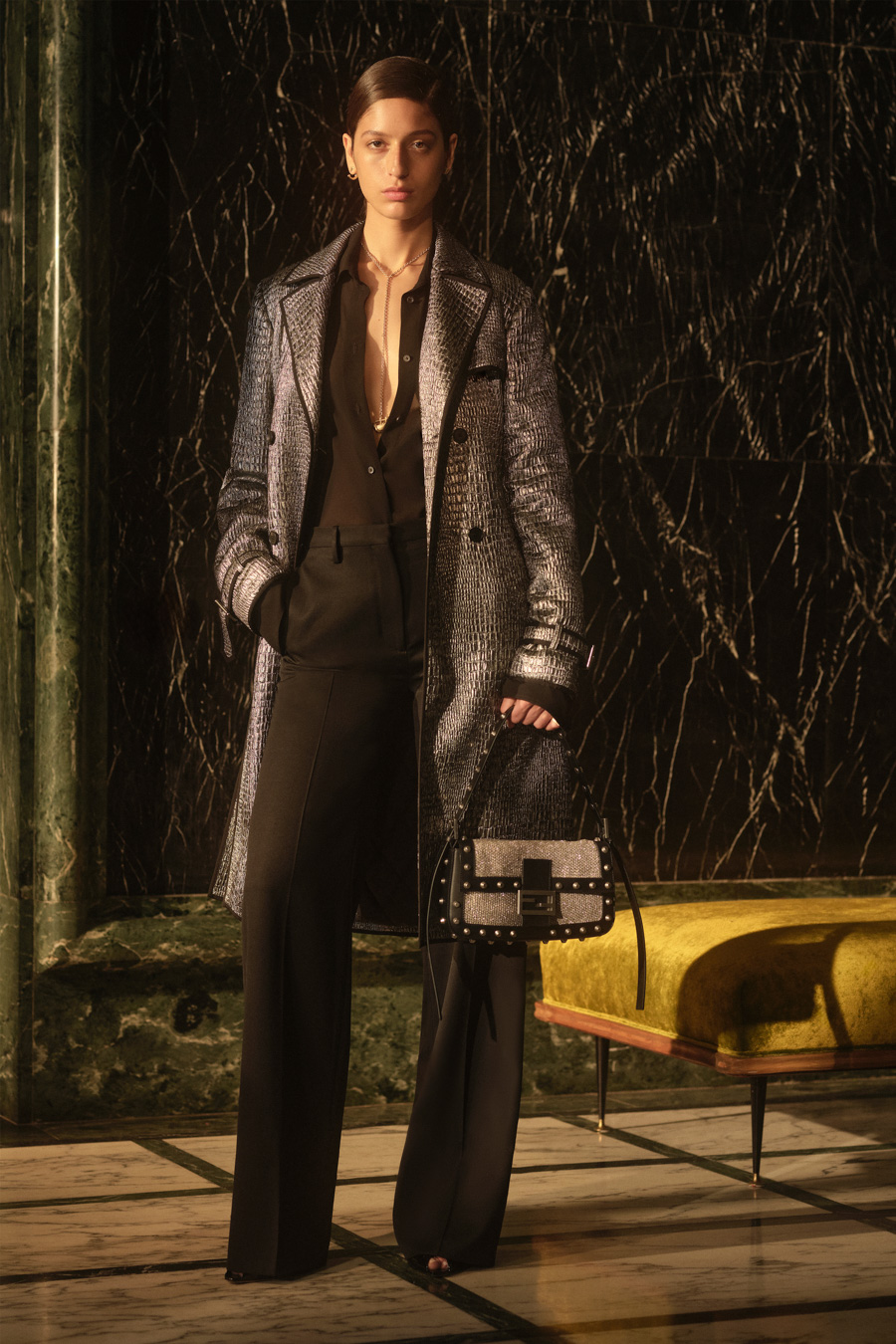
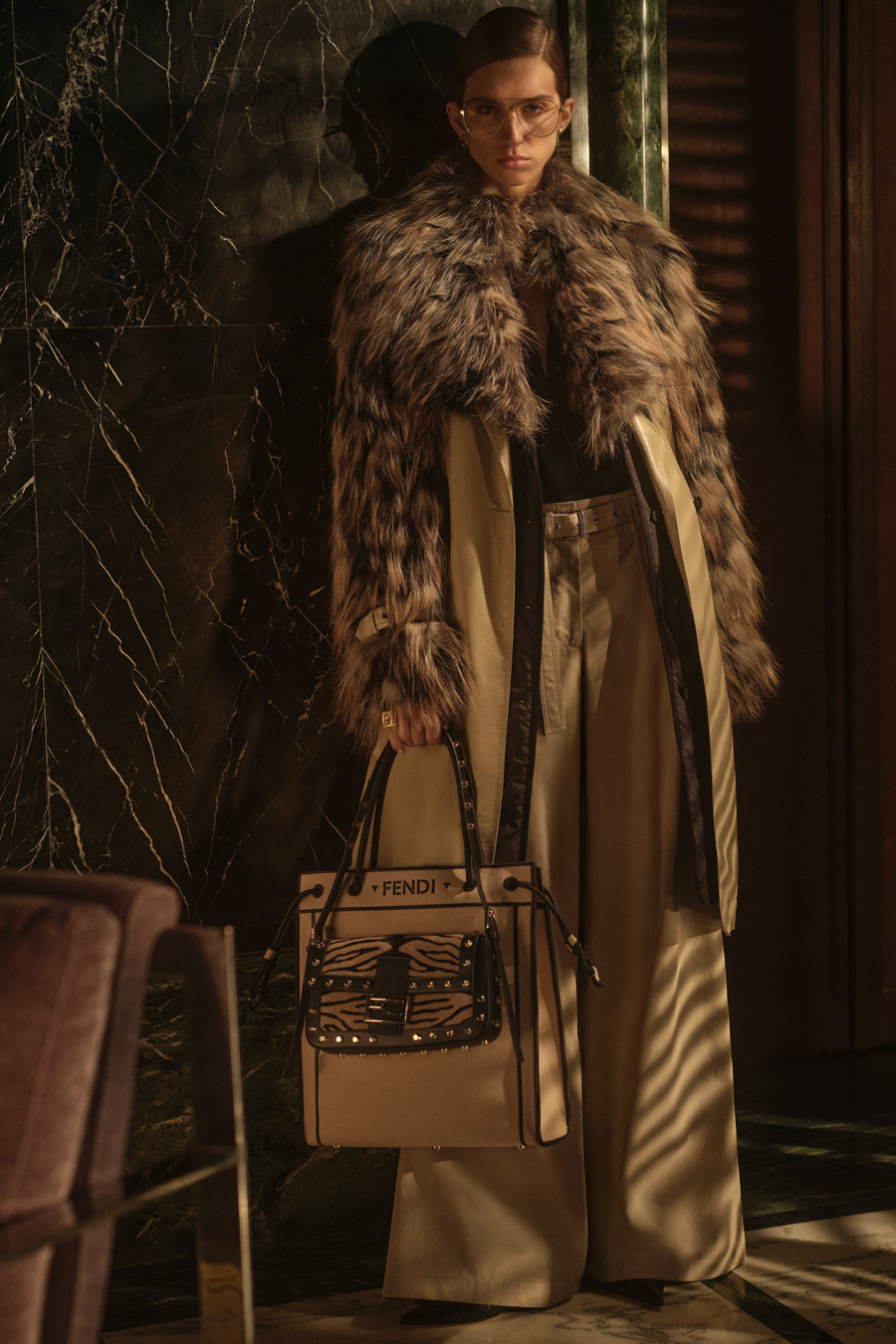
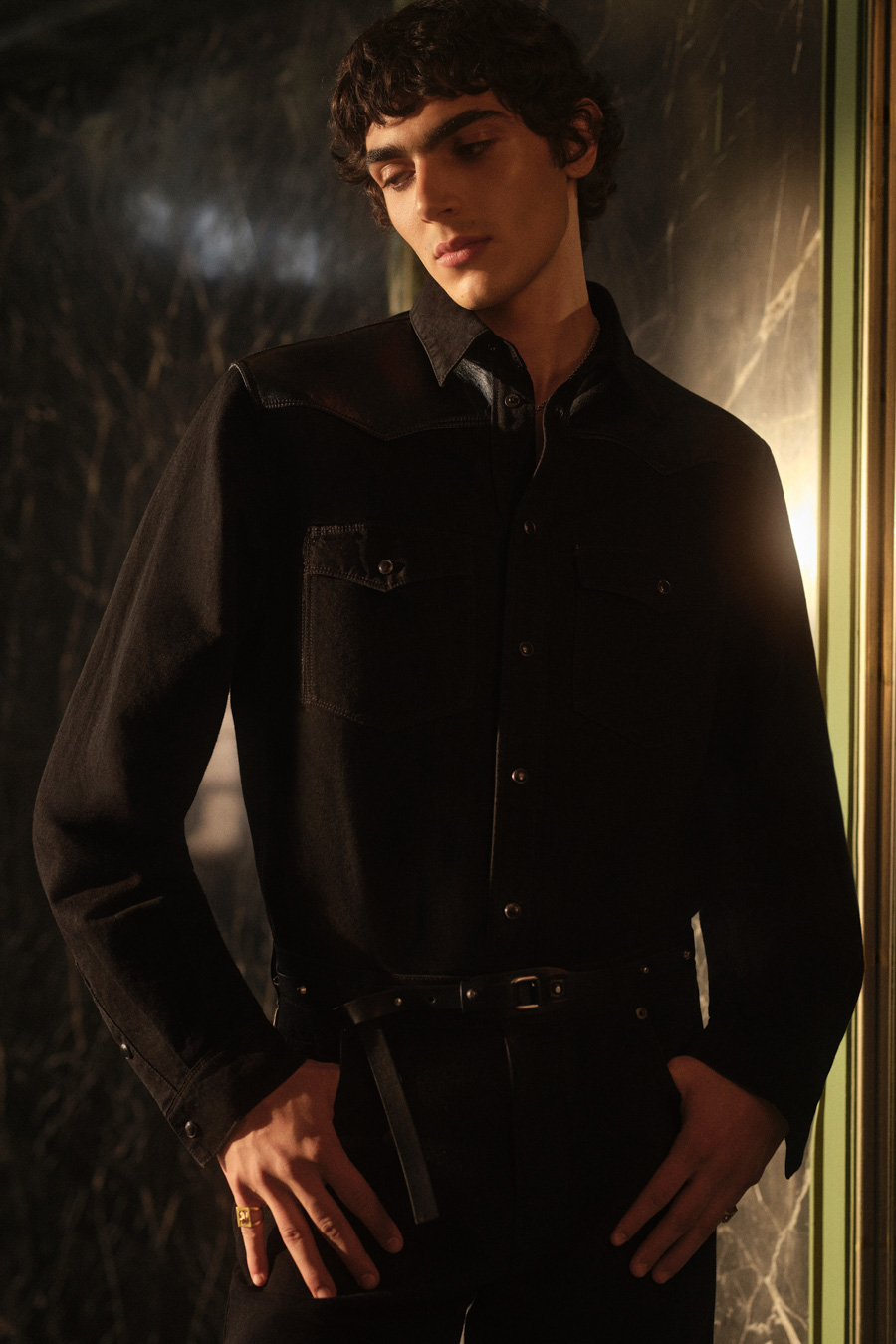
Visual trickery is present in shirt and trouser sets that, at first glance, appear to be a single piece; a sort of modern uniform designed to be deconstructed and reconstructed according to the wearer's needs. On the other hand, parchment and leather collide head-on: parchment, a historic material of the brand, engages in a bold dialogue with studded black leather in a reinvented baguette. In the clothing, parchment becomes pure color, contrasting violently with absolute black.
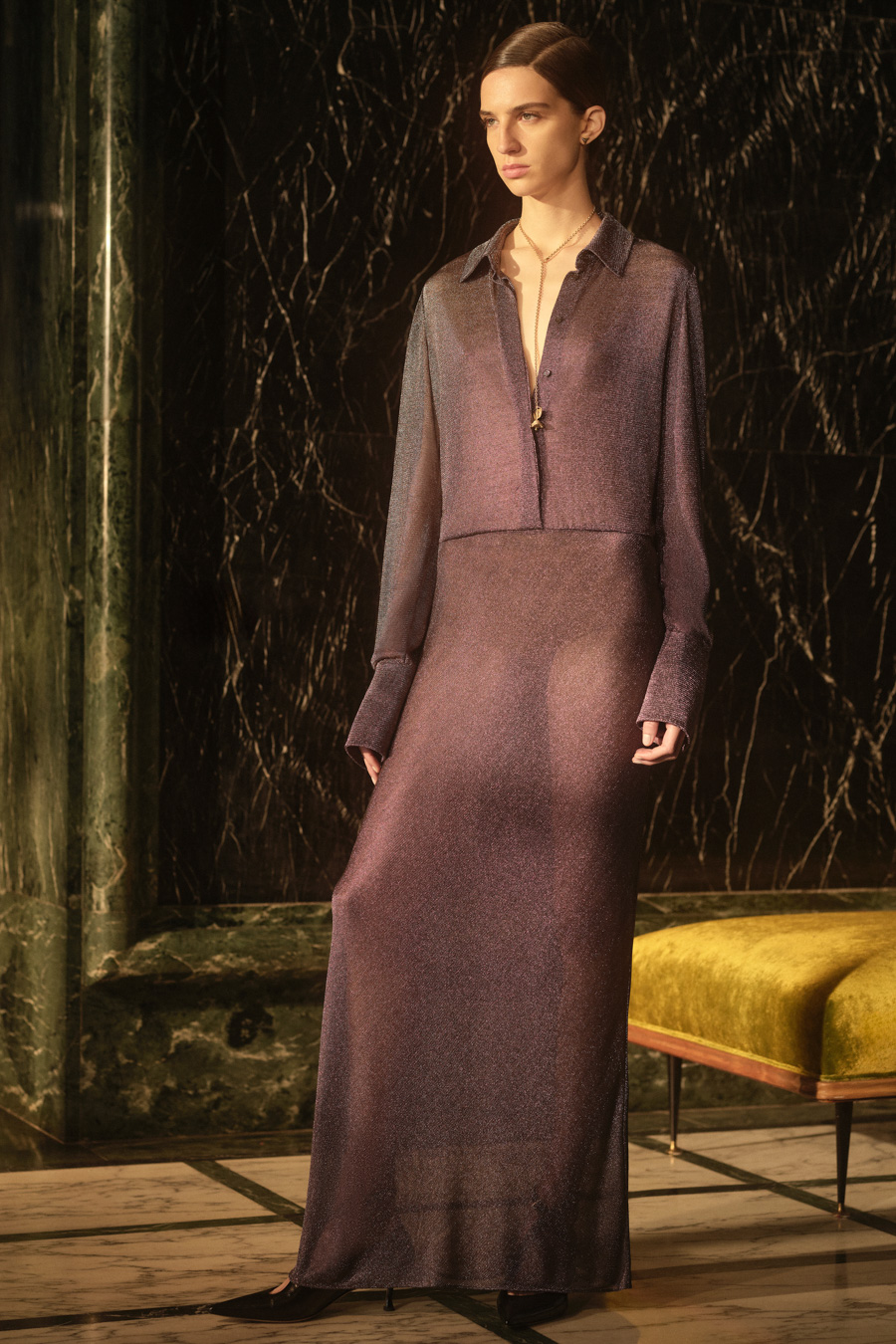
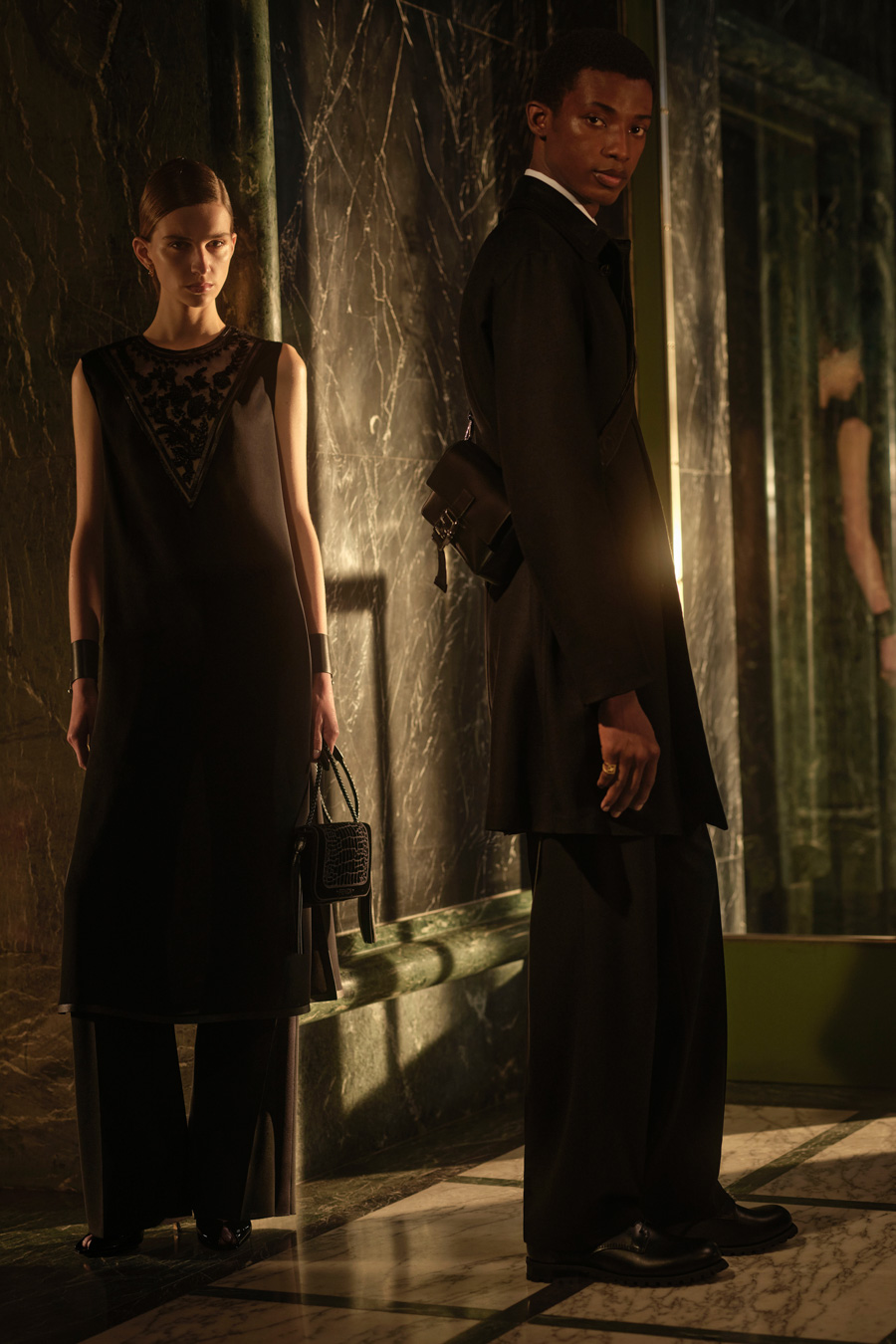
We also see how georgette and the plastron unite, making the delicacy of a dress mutate when intervened by a rigid leather patch. The new trench coat evolves as an iconic gabardine now constructed with leather stripes underlined by wedge-shaped studs. Finally, the nocturnal sparkles of silver lace and sequin embroidery bring an unexpected brilliance to the sobriety of the forms.
Beyond the Mirror: Cinema as a Canvas
To present this vision, the collection is accompanied by a short film that functions as an animated storybook, paying a nostalgic tribute to what is considered the first fashion movie in history: Histoire d’Eau (1977), directed by Jacques de Bascher and commissioned by Karl Lagerfeld. To understand the magnitude of the new footage, it is vital to observe the contrast between both works, separated by decades but united by the myth of Suzie, their protagonist.
In the original 1977 piece, the setting is a luminous Rome, with vibrant fountains to the rhythm of composer Respighi, while Chiuri's short-cut transports us to a deserted rationalist palazzo from mid-20th-century Rome, dominated by gloom and marble. The protagonist, that wandering young woman bathed in the sun who interacted with the outside world and the Fendi sisters, now reveals herself as a Garuda-Woman, an ambassador of strength dressed in black feathers, incorruptible and divine.
As for the visual atmosphere, we move from a playful illusion and daytime reverie where imagination transforms reality, to a painting in motion, halfway between Kubrick and Sokurov, full of solemn tension between the unconscious and reason. The role of the environment also mutates dramatically: the city ceases to be a playground for Suzie's imagination and gives way to imposing stairs that act like the keyboard of a piano, setting the rhythm toward the end of time.
The Garuda-Woman and the Suspension of Time
In Chiuri's short-cut, the new Suzie enters with a calibrated step into a palace of classic and Latin lines, where extreme synthesis and the methodical superimposition between ornament and function reign supreme. Dressed in a black that sums up all colors, and wrapped in plumage, she reveals herself as an entity that rises above fragile human destinies, protected by her own divine nature.
The film ceases to be mere cinema to become reflective art. Every frame seems irreparable; an instant that could be corrupted by the disastrous irruption of reality. The stairs dominate the scene, dictating the appearances and disappearances of the unsettling muses that accompany Suzie, in a silent game that blends chess, fencing, and classical dance.
In the end, when Suzie leaves the palace and leaves behind the desolate wakefulness of marbles and shadows, she does not return to the Rome she dreamed of. She rejects the world to which she does not belong. She heads toward her own end credits, flying, ready to delve into the next dream.